

Rapid Physio · Physiotherapy
Physiotherapy shaped around everyday movement
£125Published reference fees; confirm current charges and appointment length before booking
Online booking is always open
Book online nowTime for all your questions.
Same or next day · live times from our diary
What it will cost
Included: everything listed on this page for £125, with your physiotherapist’s explanation in plain English.
Might be extra: further tests your physiotherapist suggests (blood draw £25, each test priced on our fees page).
We will always tell you before anything is added.
Every price published
At a glance
Your treatment, at a glance
Movement problems rarely fit neatly into one part of your life. At 66 Harley Street, Rapid Physio provides HCPC registered physiotherapists. An initial 60-minute assessment has a published fee of £125. Confirm current availability before booking. Your assessment guides home exercises, follow-up and whether GP review should come first.
- Published reference fees; confirm current charges and appointment length before booking
- £125
- Published reference fees; confirm current charges and appointment length before booking
- with a named clinician
- 60 min
- with a named clinician
- appointments, booked online in a minute
- Same or next day
- appointments, booked online in a minute
- 323 reviews on Google (4.9★) and Doctify (4.86★)
- 4.9★
- 323 reviews on Google (4.9★) and Doctify (4.86★)



- 4.9 on Google · ahead of 2 Harley Street GPs
- Same-day or next-day booking
What to bring
Any letters or scan reports about the problem. For hands-on sessions, clothes you can move in.
How long it takes
60 minutes for the first appointment listed.
When results arrive
You leave with a plan for next steps, agreed with you.
More than one thing to discuss?
You are welcome to discuss more than one concern. If there is a lot to cover, choose a longer appointment, or your physiotherapist will arrange a follow-up.
Choose your therapy
Find your therapist.
Key facts · How we compare
The facts, side by side.
| Fee | £125 for 60 minutes |
|---|---|
| Appointment length | 60 minutes |
| Results or report | You leave with a plan for next steps, agreed with you. |
| Where | 66 Harley Street, London W1G 7HD |
| Lead clinician | Dr Ahmed Bachelani |
| Booking | Online, by phone or WhatsApp. Same-day or next-day booking is available. |
| Google rating | 4.9 from 189 reviews |
| Medically reviewed | Justin Holmes, October 2026 |
| Practice | Rating | Reviews |
|---|---|---|
| Us | 4.9 ★ | 189 |
| The London General Practice | 4.2 | 149 |
| The Harley Street General Practice | 3.9 | 14 |
Public Google listings, checked November 2026.
What is included · How it works
What you get, and how it unfolds.
In your appointment
01
Individual assessment
Discuss symptoms, medical history and movement difficulties before agreeing suitable treatment.
02
Practical home guidance
Understand appropriate exercises, pacing and the signs that should prompt medical advice.
03
A reviewable plan
Agree priorities and a review point rather than an automatic course of treatment.
Your sessions, step by step
 01
Share your concern
Tell reception about symptoms, relevant diagnoses and access needs. Confirm practitioner suitability and the current fee before booking.
 02
Attend an assessment
Discuss your history and goals. The physiotherapist explains suitable examination tasks and asks for your consent.
 03
Agree home practice
Review exercises, activity changes and safety advice. Ask for clear guidance on frequency and acceptable symptom responses.
 04
Review and adapt
Discuss progress at an agreed point. Adjust the plan or seek GP review when the findings require medical assessment.
The details
How treatment works
01 · What it covers
One practice, different clinical roles
Physiotherapy focuses on movement, rehabilitation and practical self-management.
Rapid Physio provides the treating physiotherapists. Dr Ahmed Bachelani offers GP oversight and medical assessment where needed. Justin Holmes provides McTimoney chiropractic care. These roles are complementary, but they are not interchangeable.
You do not automatically need appointments with every clinician. An assessment should identify the most appropriate starting point. With your consent, relevant information can support communication between clinicians. The aim is a clear plan, not several overlapping treatments. Separate services carry separate fees.
Choosing the right rehabilitation service
Musculoskeletal and sports rehabilitation considers injuries, training demands and joint or tendon symptoms.
Orthopaedic physiotherapy addresses established movement problems involving joints and surrounding tissues. Post-surgical rehabilitation follows the surgeon’s restrictions and recovery plan. Bring any imaging reports or discharge instructions that could affect your assessment.
Neurological rehabilitation considers movement, balance and daily function alongside established neurological care. Older adults may need practical support with walking, transfers or confidence after falls. Paediatric appointments require age-appropriate expertise and confirmed suitability. Cardio-respiratory work must fit a stable medical condition and relevant specialist advice.
Physiotherapy, chiropractic and your GP
Physiotherapy may centre on exercise progression, movement assessment and rehabilitation after illness or injury.
Chiropractic is a separate option for selected musculoskeletal concerns. Justin Holmes uses the McTimoney method, with gentle adjustments rather than forceful cracking. Discuss the purpose and alternatives before agreeing any hands-on treatment.
A GP assesses symptoms that may reflect medical illness, reviews medicines and considers investigations or referral. Dr Bachelani provides this medical oversight, not physiotherapy treatment. Ultrasound may be appropriate when a specific clinical question needs answering. Joint injections require their own suitability assessment and are not a routine rehabilitation step.
Home exercises are part of the conversation
Your programme should fit your diagnosis, current ability and daily routine.
It may include strengthening, comfortable movement, balance practice or pacing strategies. The clinician explains frequency, technique and how to progress. Ask what to do during a flare and which symptoms mean you should stop.
A manageable plan is more useful than a long list you cannot follow. Tell your physiotherapist about limited space, equipment, fatigue or caring responsibilities. Instructions can then reflect your circumstances. Do not copy a demanding online programme without checking whether it fits your condition.
When medical care comes first
See a GP for unexplained weight loss, fever, persistent night pain or a new deterioration in function.
Repeated unexplained falls, new breathlessness and progressive weakness also need medical assessment. A child with fever and a sudden limp needs prompt clinical review. Do not wait for a routine rehabilitation appointment.
Call 999 for chest pain, severe breathing difficulty or signs of stroke. Severe back pain with new bladder changes or saddle numbness needs emergency assessment. After surgery, new calf swelling needs urgent medical advice. Wound discharge or spreading redness should be discussed promptly with the surgical team.
A plan you can understand and review
Your first appointment starts with your history, concerns and goals.
The physiotherapist explains the proposed examination and asks for consent. You can decline a test or ask to pause at any point. Comfortable clothing can make movement assessment easier. Tell reception beforehand about access needs or support you require.
Treatment may involve education, guided movement and an exercise programme. Hands-on treatment is considered only when appropriate and agreed. Your clinician explains what to practise, how often and what should prompt you to stop. Ask for clarification before leaving if an instruction feels unclear.
How many sessions might you need?
There is no reliable standard number for everyone with this concern.
Some people need assessment and advice, while others need a longer rehabilitation programme. The diagnosis, severity and response to home practice influence follow-up. Your clinician should suggest a review point and explain what would justify further appointments.
Progress can mean easier daily tasks, improved confidence or better tolerance of a chosen activity. It does not always mean symptoms disappear. If progress stalls, the plan may need changing or medical review. You do not need to commit to a block of sessions before discussing the options.
At No. 66
What your visit is like here.
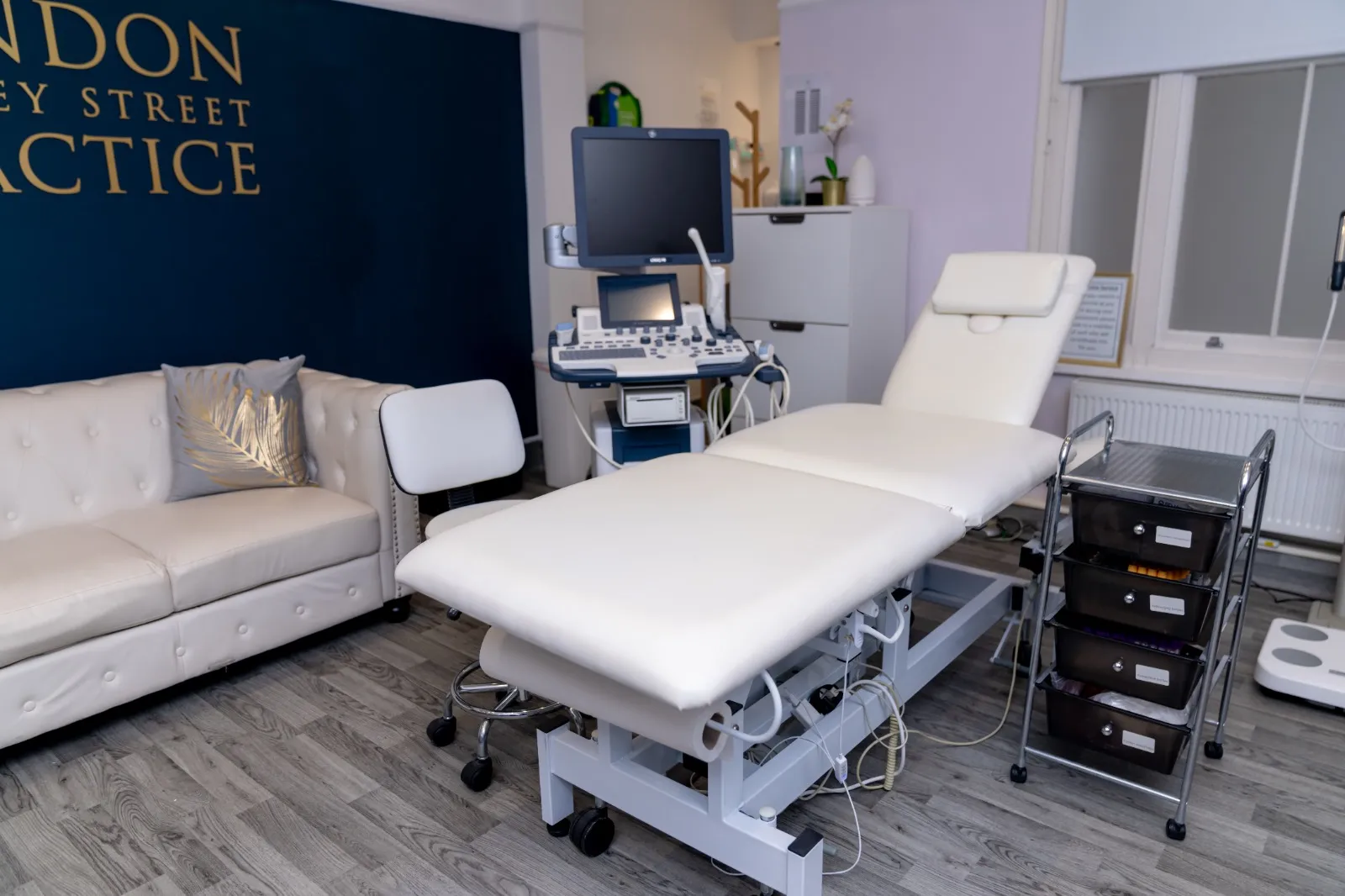
Physiotherapy shaped around everyday movement at No. 66: what happens
- 01
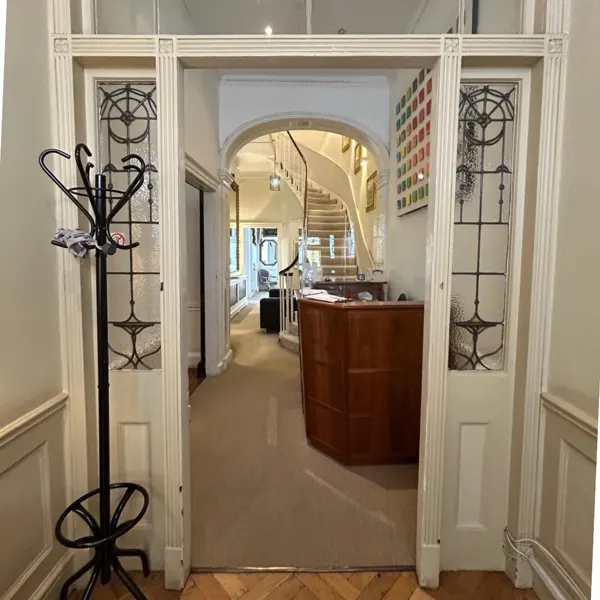
Reception welcomes you and confirms the physiotherapy shaped around everyday movement booking
Reception · about 5 minutes
- 02
The physiotherapist asks how the problem started and tests strength and movement
Physiotherapist from Rapid Physio · about 10 minutes
- 03
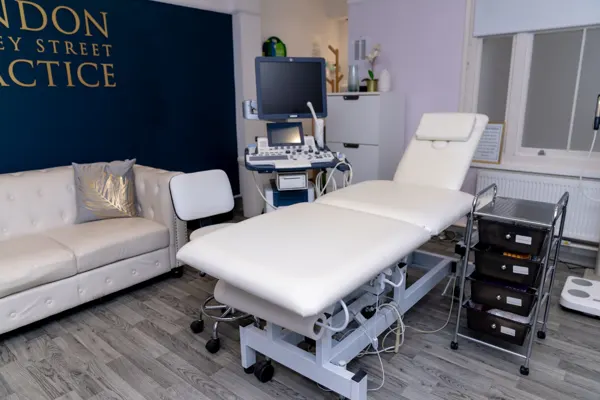
The physiotherapy shaped around everyday movement itself, in the treatment room at No. 66
Physiotherapist from Rapid Physio · about 45 minutes for the first assessment
- 04
Findings explained in plain English, with time for your questions
Physiotherapist from Rapid Physio · about 10 minutes
“Note which movements make it worse in the days before your physiotherapy shaped around everyday movement appointment.”
Asked on the day
How should I prepare for physiotherapy shaped around everyday movement?
Wear loose, comfortable clothing and bring any scan or X-ray reports you have.
Will it hurt?
Treatment should not be painful. Tell us straight away if anything feels uncomfortable.
Do I need a referral?
No. You can book directly.
Afterwards
You receive a written exercise plan and a recommended number of follow-up sessions.
Getting here
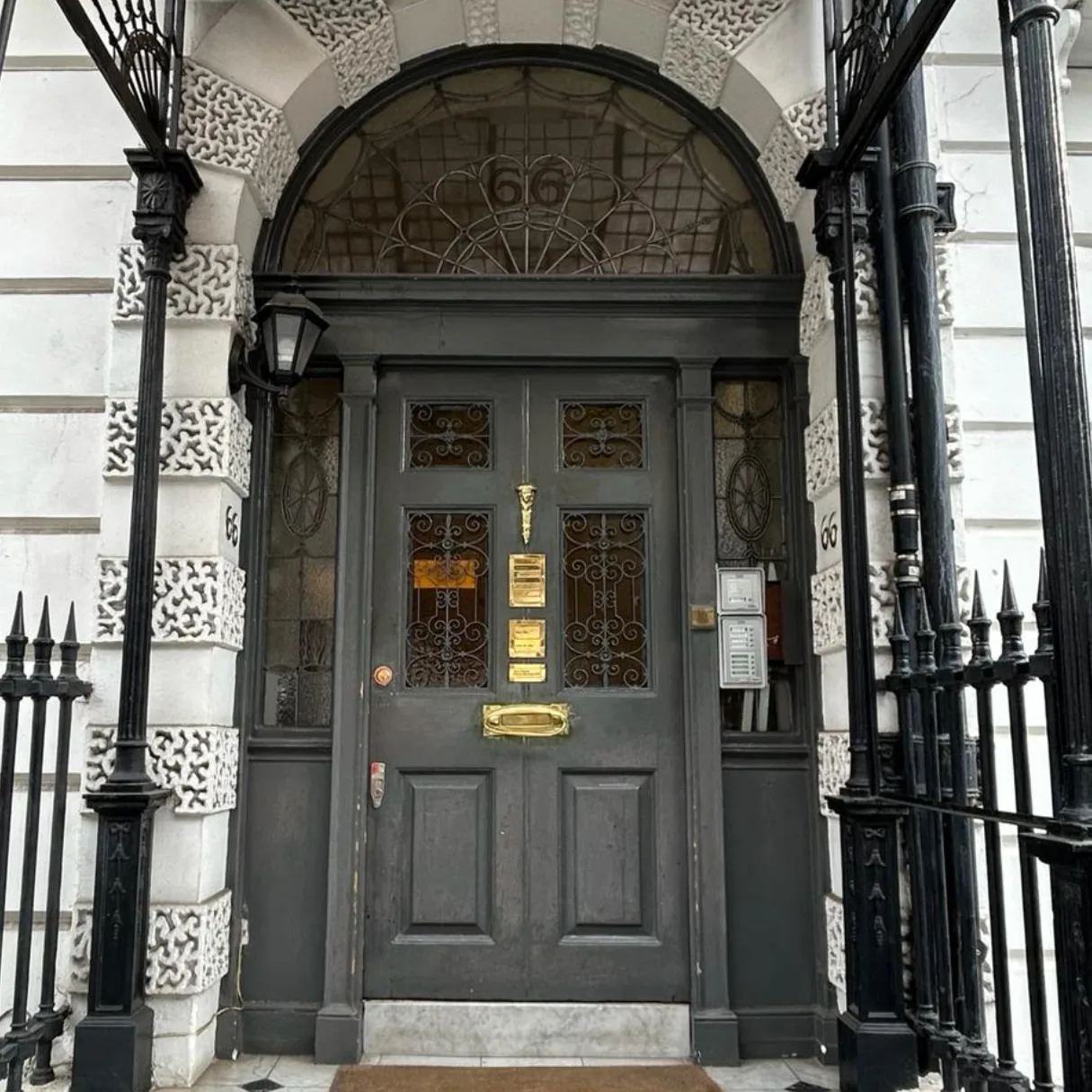
8 minutes on foot from Regent's Park station (Bakerloo line) to the black door at 66 Harley Street.
- Physiotherapy shaped around everyday movement fee £125, published before you book
- Delivered by Physiotherapist from Rapid Physio
- Arranged from 66 Harley Street, 8 minutes on foot from Regent's Park station (Bakerloo line)
Fees
Prices, in full. Book any time.

Your clinicians
Your therapist

Chiropractor, McTimoney method
Justin Holmes
McTimoney College; GCC and MCA registered
Justin uses the McTimoney method: gentle, precise adjustments with no forceful cracking. In his words: everyone needs a Justin!
Leads
- Chiropractic
Patients say
In their own words.
Ready when you are
Book your session
Rapid Physio · Physiotherapy · £125
Live times from our diary. Choose a time in under a minute.
Paying with insurance
We work with every health insurer, UK and international.
Bupa, AXA, Aviva, Vitality, Cigna and the rest. Choose insurance when you book and sign once.
Membership
Members pay less on most visits.
A monthly plan with your own practice. Member prices are shown next to every fee.
Asked often
Your questions, answered.
Search or browse. Still unsure? Ask reception.
7 questions
01How do physiotherapy and chiropractic differ?
Physiotherapy commonly focuses on rehabilitation, exercise and movement. Chiropractic is a separate musculoskeletal service provided by Justin Holmes. Your concern and preferences guide suitability; you do not automatically need both.
02Who provides my physiotherapy?
Rapid Physio provides HCPC registered physiotherapists. Practitioner names and registration numbers are awaiting confirmation. Dr Bachelani provides GP oversight; Justin Holmes is the practice’s chiropractor, not your physiotherapist.
03How many appointments should I book?
Begin with an assessment rather than assuming a fixed course. Your clinician discusses follow-up according to your goals, examination and response. Agree a review point before committing to further sessions.
04Will I receive home exercises?
Where appropriate, your clinician explains exercises, frequency and progression. Ask what discomfort is acceptable and when to stop. Exercises should fit your diagnosis, ability and available support.
05Can I use private medical insurance?
Check your policy and provider recognition before booking. Ask whether referral or authorisation is required. Cover and payment arrangements must be agreed rather than assumed.
06What are the published physiotherapy fees?
The initial 60-minute assessment is £125. A 30-minute follow-up is £80, while 45 minutes costs £95. These are existing published reference fees; confirm current charges before booking.
07Can I discuss more than one problem?
Yes. Bring every question you have, not only the reason you booked. If there is a lot to cover, choose a longer appointment, or your physiotherapist will arrange a follow-up.
Keep exploring
Read, then choose your next step.
Guides


More in Therapies








Medically reviewed by Justin Holmes, October 2026.
Find us
66 Harley Street, Marylebone.
Every way to get here
Lost? 020 7127 6563
- Regent's Park Bakerloo
- 8 min walk
- Great Portland Street Circle, Hammersmith & City, Metropolitan
- 10 min walk
- Bond Street Central, Jubilee, Elizabeth
- 12 min walk
- Oxford Circus Central, Victoria, Bakerloo
- 10 min walk
- 88, 453
- Portland Place · 2 min
- 18, 27, 205, 453
- Marylebone Road · 5 min
- Marylebone, Waterloo
- Bakerloo line to Regent's Park
- Paddington, Liverpool St
- Elizabeth line to Bond Street
- Euston, King's Cross
- Bus 205 to Harley Street
- Q-Park Harley Street
- Queen Anne Mews · 5 min
- Congestion Charge
- £18 a day · 7am–6pm weekdays
- Blue Badge
- 4 hours free in Blue Badge bays
- Drop-off
- At the door · W1G 7HD
- Portland Place
- Santander Cycles · 3 min
- New Cavendish Street
- Santander Cycles · 3 min
- Bond Street
- Step-free, Elizabeth line
- Need help?
- Call before you travel

Travel guide
Parking, buses, rail and Blue Badge rules, in full.
Read the guideRegistered & qualified








A day at No. 66
Real people, real rooms, a warm welcome.