

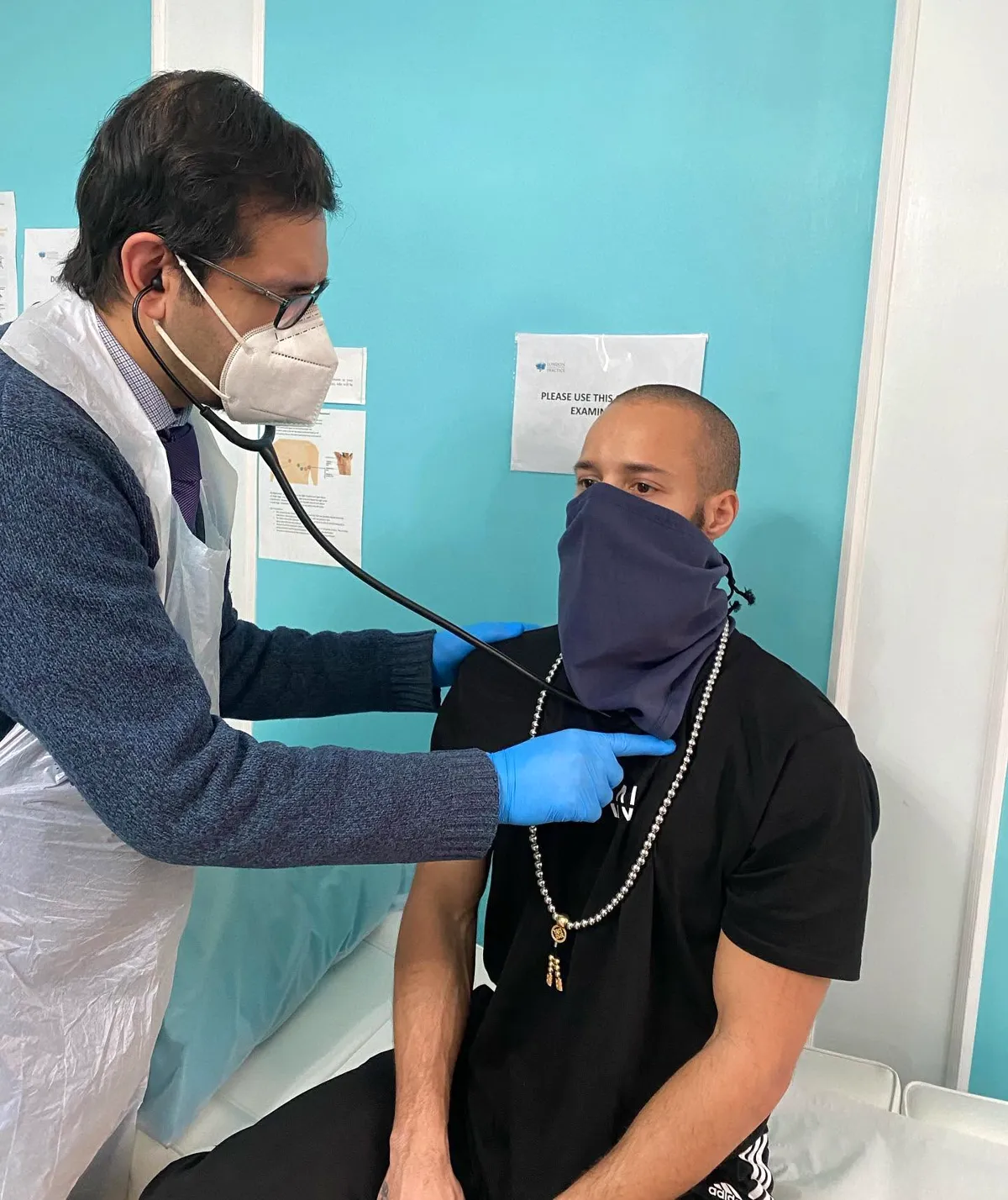
Male hormone and andropause
Male hormone and andropause blood profiles
£376Laboratory fee from Semble; blood draw charged separately
Online booking is always open
Book online nowTime for all your questions.
Same or next day · live times from our diary
What it will cost
Included: everything listed on this page for £376, with your doctor’s explanation in plain English.
Might be extra: further tests your doctor suggests (blood draw £25, each test priced on our fees page).
We will always tell you before anything is added.
Every price publishedAt a glance
Your test, at a glance
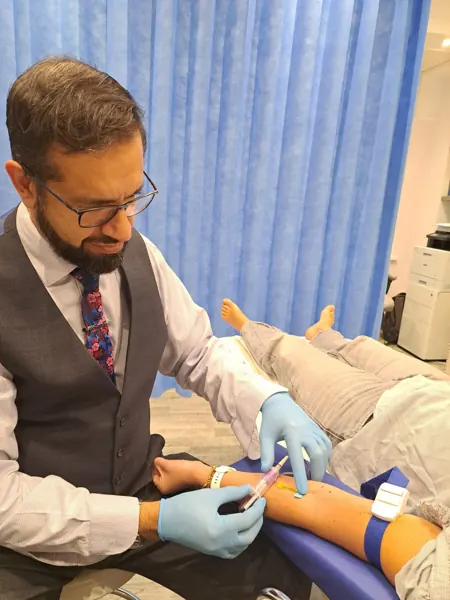
These blood profiles assess hormones relevant to sexual function and symptoms associated with low testosterone. They suit men discussing reduced libido, erection difficulties or persistent symptoms with a GP. A doctor or clinician takes your blood sample at 66 Harley Street. Results usually take one day, or three days for the Impotence Profile.
- Laboratory fee from Semble; blood draw charged separately
- £376
- Laboratory fee from Semble; blood draw charged separately
- appointments, booked online in a minute
- Same or next day
- appointments, booked online in a minute
- 323 reviews on Google (4.9★) and Doctify (4.86★)
- 4.9★
- 323 reviews on Google (4.9★) and Doctify (4.86★)

- 4.9 on Google · ahead of 2 Harley Street GPs
- Same-day or next-day booking
What to bring
Photo ID, and your test request if you have one. Fast only if your test needs it; we tell you when you book.
How long it takes
Confirmed when you book, as it depends on what you need.
When results arrive
Usually 1 day to 3 days from the laboratory, depending on the test. Your results arrive by secure email. If we are concerned, we phone you.
More than one thing to discuss?
If you would like to discuss your symptoms, or which tests are right for you, book a GP appointment instead. Your GP can arrange the right tests during the visit.
Key facts · How we compare
The facts, side by side.
| Fee | £376 |
|---|---|
| Results or report | Usually 1 day to 3 days from the laboratory, depending on the test. Your results arrive by secure email. If we are concerned, we phone you. |
| Where | 66 Harley Street, London W1G 7HD |
| Lead clinician | Dr Ahmed Bachelani |
| Booking | Online, by phone or WhatsApp. Same-day or next-day booking is available. |
| Google rating | 4.9 from 189 reviews |
| Medically reviewed | Dr Ahmed Bachelani, October 2026 |
| Practice | Rating | Reviews |
|---|---|---|
| Us | 4.9 ★ | 189 |
| The London General Practice | 4.2 | 149 |
| The Harley Street General Practice | 3.9 | 14 |
Public Google listings, checked November 2026.
Members pay less
| Pay as you go | £376 |
|---|---|
| Priority member (5% off) | £357.2 |
| Apex member (10% off) | £338.4 |
What is included · How it works
What you get, and how it unfolds.
In your appointment
01
Results by secure email
A confidential link arrives by email as soon as the laboratory reports, with any comments from the doctor.
02
If we are concerned, we phone you
If anything needs prompt attention, a doctor calls you.
03
Fees explained first
Your test fee, plus £25 for taking the blood. A £40 deposit at booking comes off your bill.
How to book your blood test
 01
Not sure which test?
Email contact@londonhspractice.co.uk or WhatsApp us first. Please do not book until you are sure and happy with the cost.
 02
Choose your test and a time
Press Book next to the test. It is added to your booking for our team, then pick a day and time.
 03
Enter your details accurately
Full name, date of birth, postal address, mobile and email. Wrong details can delay your results.
 04
Paperwork: tick to agree in the form
The blood test disclaimer is part of the booking form. Read the key points and tick to agree. Nothing to print, sign or email later.
 05
Pay the deposit
Pay the £40 deposit. A confirmation email follows, and a reminder 48 hours before.
 06
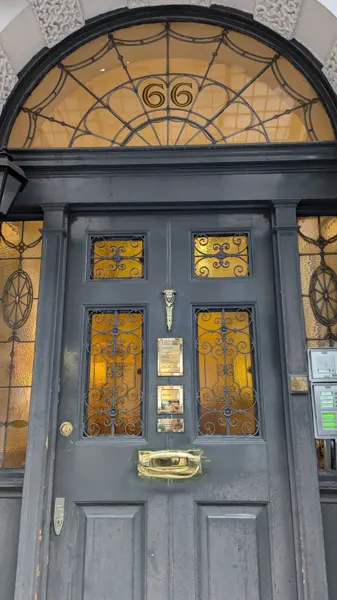
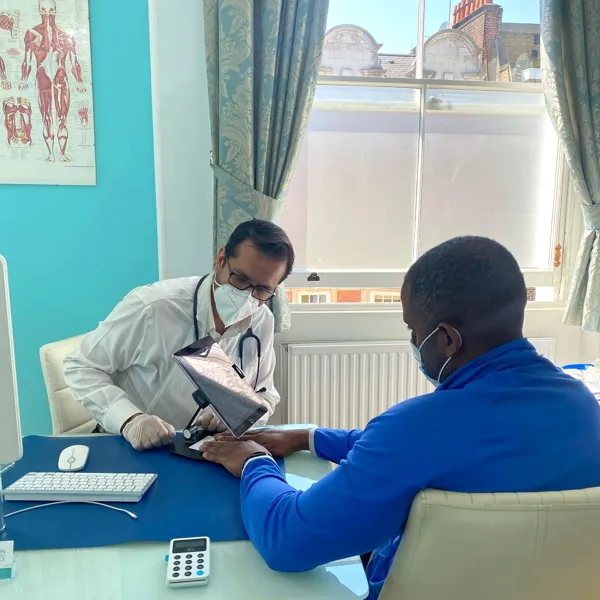
Come to 66 Harley Street
Pay the balance at reception: your test plus £25 for the blood draw. Our team then takes your blood.
 07
Results by secure email
Sent with any comments from the doctor. If we are concerned, we phone you. Please discuss your results with your doctor.
The details
What is measured, and why
01 · What it covers

Choosing a profile around your symptoms
Low libido, erection difficulties and tiredness can have several causes.
Your GP considers your symptoms, sleep, medicines and medical history before recommending a profile. At London Harley Street Practice, we explain what the requested markers can show. We also discuss whether another assessment would be more useful.
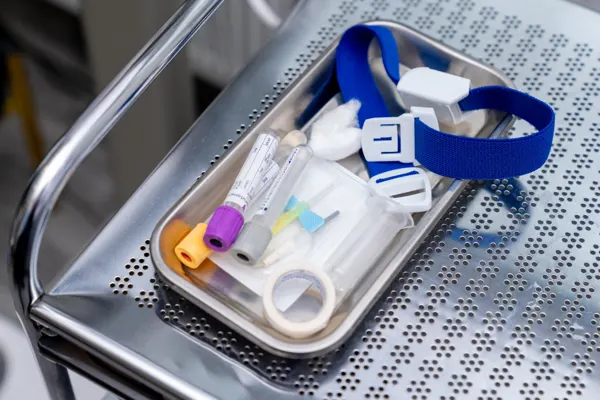
A doctor or clinician takes your sample at No. 66. Samples are analysed by The Doctors Laboratory, a short walk away. A GP can explain your results alongside your symptoms and arrange follow-up. A low testosterone result often needs a repeat morning sample before treatment decisions.
When a male hormone assessment may help
Men often ask about hormone testing because of reduced sexual desire, fewer morning erections or persistent tiredness.
Changes in muscle strength, mood or fertility may also prompt a discussion. These symptoms are not specific to low testosterone. Poor sleep, stress, depression and other health conditions can cause similar changes. Your GP asks when symptoms started and how they affect your everyday life before recommending blood tests.
The term andropause describes symptoms sometimes associated with falling testosterone as men get older. It does not describe a sudden, universal hormonal change comparable with menopause. Many men maintain adequate testosterone throughout later life. A blood result alone cannot explain every symptom or establish whether treatment would help. Your doctor considers symptoms alongside properly timed measurements, your medical history and any relevant examination findings.
How the three profiles differ
Male Hormone Profile results are usually available in one day.
Impotence Profile results usually take three days. Their marker lists are not detailed here, so check their current contents before booking. Your GP can explain which profile best suits your symptoms.
Andropause Profile results are usually available in one day. It includes DHEA sulphate, follicle-stimulating hormone, testosterone, free androgen index, luteinising hormone and sex hormone-binding globulin. These markers examine testosterone, its binding proteins and signals involved in reproductive function. They do not assess every possible cause of tiredness, low libido or erection difficulties. Your doctor may recommend separate investigations when your history suggests another explanation.
Testosterone, SHBG and free androgen index
Testosterone supports sexual desire, sperm production, muscle and bone health.
The testosterone measurement generally represents total testosterone, including hormone attached to proteins in your blood. Sex hormone-binding globulin, or SHBG, is one of those proteins. Changes in SHBG can affect total testosterone without matching changes in available hormone. Weight, thyroid or liver conditions, and some medicines can influence SHBG, making interpretation more involved than reading testosterone alone.
The free androgen index is calculated from total testosterone and SHBG rather than measured directly. It gives information about their relationship, but is less reliable for assessing free testosterone in men. Your GP may consider calculated free testosterone when appropriate, sometimes requiring an albumin measurement. No single marker establishes testosterone deficiency by itself. Symptoms, repeat morning measurements and factors affecting the sample all matter when deciding what happens next.
What LH, FSH and DHEA sulphate tell your doctor
Luteinising hormone, or LH, comes from the pituitary gland and signals the testes to produce testosterone.
Follicle-stimulating hormone, or FSH, also comes from the pituitary and supports sperm production. Reading these hormones alongside testosterone can suggest where a hormonal problem may arise. Different patterns may point towards the testes or the signals controlling them. Your GP interprets the combination rather than treating an isolated number as an answer.
DHEA sulphate is an androgen produced mainly by the adrenal glands, which sit above your kidneys. Its level changes with age and can provide information about adrenal androgen production. It is not a standalone measure of vitality, ageing or sexual performance. Likewise, FSH alone cannot establish whether you are fertile. If fertility is your concern, your GP may recommend semen analysis and further assessment alongside any appropriate hormone measurements.
02 · Before and on the day
Timing, fasting and medicines before your blood sample
For assessment of low testosterone, blood is usually taken in the morning, commonly between 7am and 10am.
A fasting sample is generally recommended because eating can lower testosterone measurements. Ask the practice for fasting instructions before your appointment; plain water is usually allowed. Shift work can alter the best sampling time, so discuss your sleep pattern beforehand. Recent illness or poor sleep can also temporarily affect testosterone levels.
Tell your clinician about prescribed medicines, testosterone products, anabolic steroids and all supplements before testing. Biotin, sometimes found in hair supplements, can interfere with some hormone laboratory methods. Ask whether you need to pause it and for how long; instructions depend on dose and method. Do not stop prescribed medicines without medical advice. If you use hormone treatment, sampling may need coordination with your dose. Menstrual cycle timing does not apply to these male hormone assessments.
03 · Results and next steps
Understanding results and planning follow-up
Your GP can review your results against the laboratory's reference intervals and your circumstances.
A value outside an interval does not automatically mean disease, while an in-range result may not explain persistent symptoms. Low or borderline testosterone often needs another morning measurement on a separate day. The pattern across testosterone, SHBG, LH and FSH helps guide further assessment. Your doctor may discuss treatment if the overall findings support it.
Erection difficulties are not always hormonal; circulation, diabetes, medicines and psychological factors can all contribute. The Impotence Profile cannot establish the cause on its own, so a wider clinical review may be appropriate. Your GP may discuss blood pressure checks or other tests according to your history. If you want children, mention this before treatment discussions because testosterone treatment can reduce sperm production. Follow-up may involve repeat measurements, lifestyle support or specialist referral.
Fees
Prices, in full. Book any time.
Also part of your visit
- Phlebotomy (blood draw)Members from £22.50 · Learn more£25
Charged once per visit, whichever tests you choose. Members pay less: learn more · Paying with insurance
Tests and fees · 3 to choose from
Every test below books online, with live times. Press Book on one, or tick several and book them together.
Male Hormone Profile
1 day · £376 · members £338.40
Andropause Profile
1 day · £378 · members £340.20
Impotence Profile
3 days · £445 · members £400.50
| Choose | Test | Results in | Fee | Book |
|---|---|---|---|---|
| Male Hormone Profile | 1 day | £376Members £338.40 | ||
| Andropause ProfileIncludes: DHEA sulphate, FSH, testosterone, free androgen index, LH, SHBG | 1 day | £378Members £340.20 | ||
| Impotence Profile | 3 days | £445Members £400.50 |
Fees cover the laboratory test; the blood draw appointment is charged once per visit. Results times are typical once the sample reaches the laboratory.
Your clinicians
Who reads your results

Dr Ahmed Bachelani
Founder, GP and managing director
Dr Ahmed leads
- Private GP
- Health checks
- Visa medicals
- Home and hotel visits
- Occupational health
MRCP · MRCGP · DOccMed
Dr Bachelani founded the practice in 2012 and is its CQC registered manager. He trained in immunopathology and medicine, then as a physician and a GP.
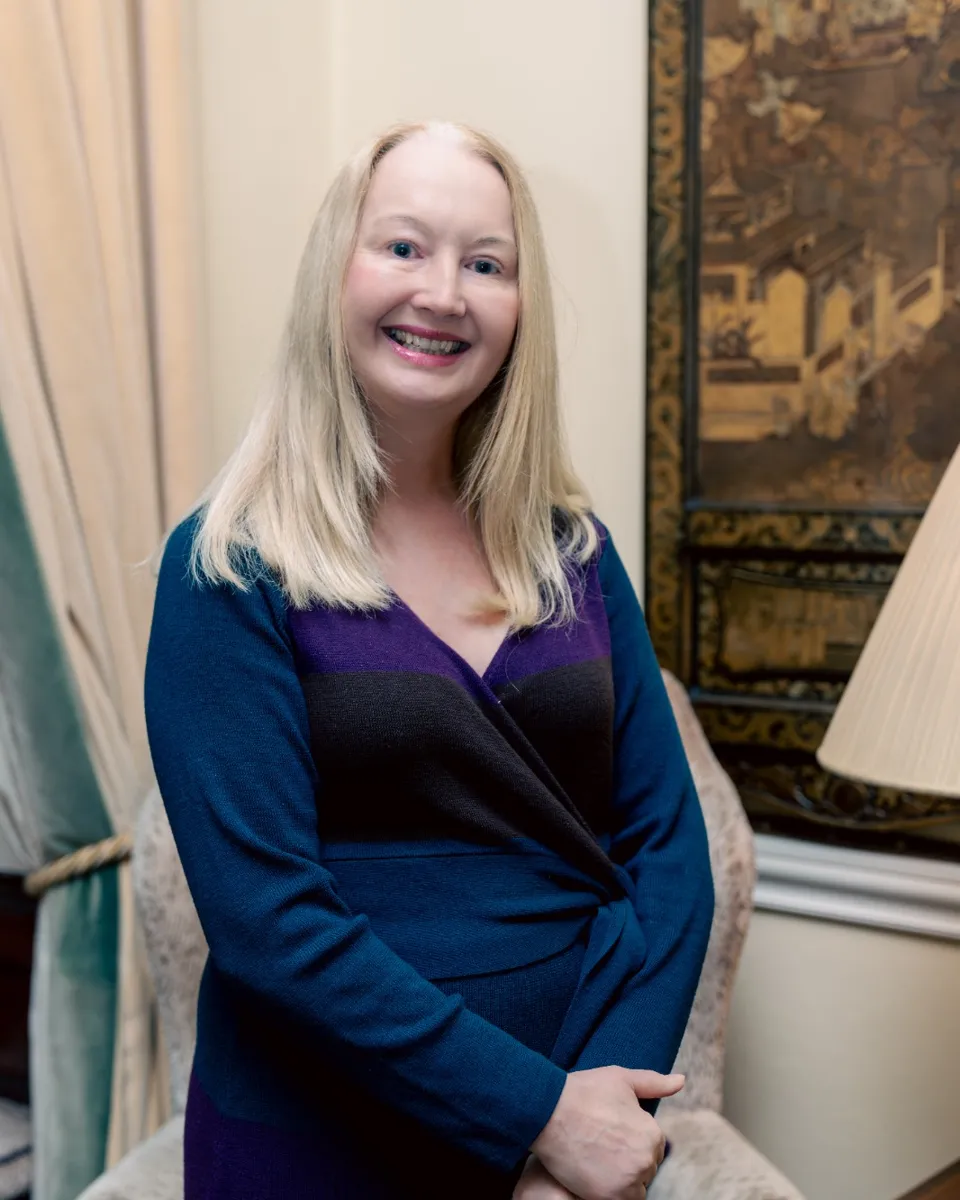
Dr Michelle McCreesh
GP, women’s health and mole checks
Dr Michelle leads
- Menopause
- Mole checks with dermatoscopy
- Women’s health
MRCGP
Dr McCreesh is a GP who sees menopause care and checks moles with a dermatoscope. She is in on Fridays.
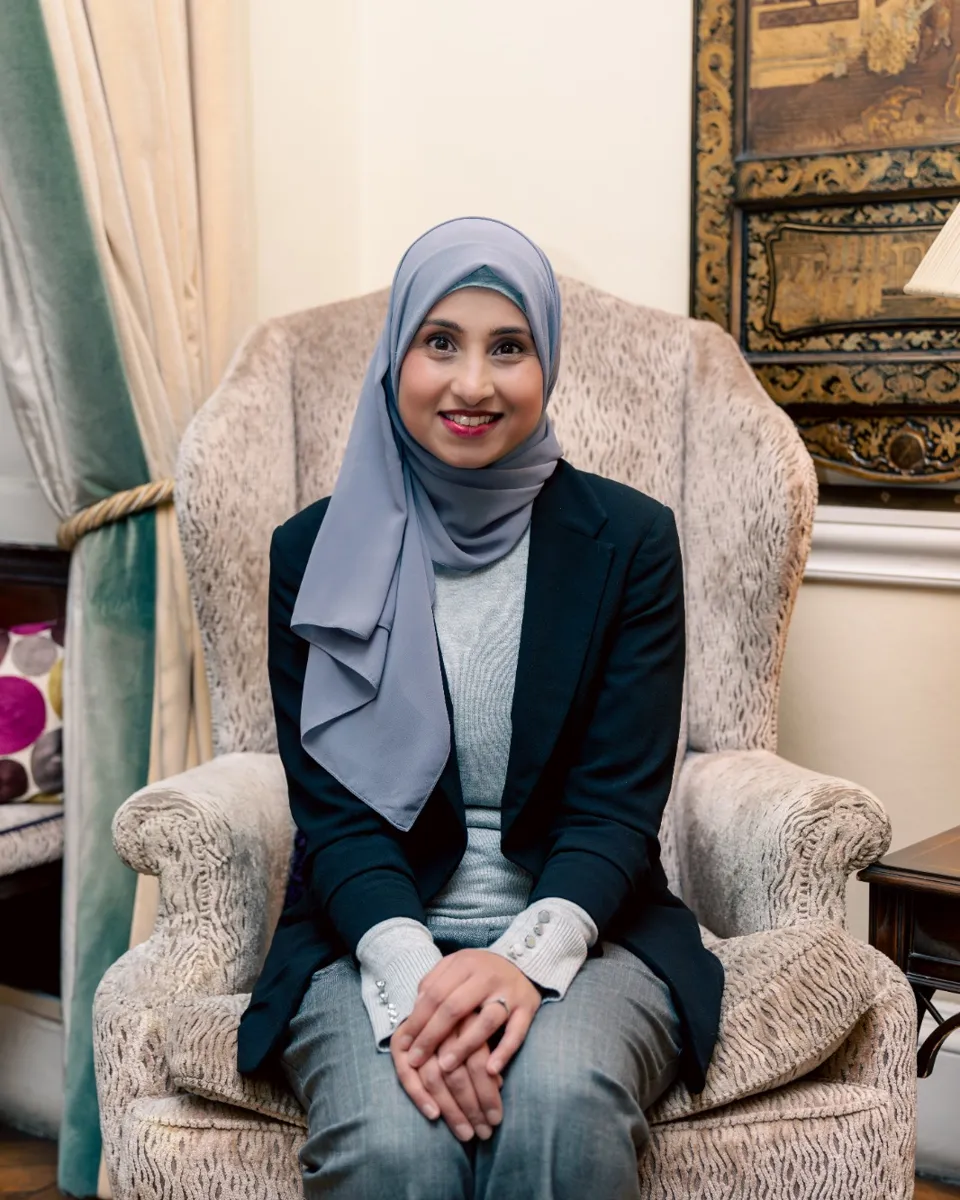
Dr Mariyah Iqbal
GP, women’s health
Dr Mariyah leads
- Women’s health
- Well Woman
- HRT
MRCGP · DRCOG
Dr Iqbal is a GP with a diploma in obstetrics and gynaecology. She sees women’s health and Well Woman checks on Thursdays.
Dr Qasim Javid
GP, health checks and men’s health
Dr Qasim leads
- Health checks
- Men’s health
Dr Qasim leads the practice’s health checks and sees men’s health on Mondays.
Patients say
In their own words.
Ready when you are
Book your test
Male hormone and andropause · £376
Live times from our diary. Choose a time in under a minute.
Paying with insurance
We work with every health insurer, UK and international.
Bupa, AXA, Aviva, Vitality, Cigna and the rest. Choose insurance when you book and sign once.
Membership
Members pay less on most visits.
A monthly plan with your own practice. Member prices are shown next to every fee.
Asked often
Your questions, answered.
Search or browse. Still unsure? Ask reception.
8 questions
01Which blood test should I choose for low testosterone symptoms?
The Andropause Profile includes testosterone, SHBG, LH, FSH, DHEA sulphate and free androgen index. Your GP can assess whether this matches your symptoms. Ask about current marker lists for our other male hormone profiles before choosing.
02Do I need to fast for a male hormone blood test?
Fasting is generally recommended when assessing low testosterone because food can lower the measurement. Ask the practice for instructions covering your chosen profile. Plain water is usually allowed. Tell the practice if fasting could be difficult or unsafe for you.
03What time should I have my testosterone blood test?
Testosterone is usually measured in the morning, commonly between 7am and 10am. Levels vary during the day and with sleep. If you work night shifts, discuss timing beforehand. Repeat measurements should use comparable sampling conditions where possible.
04Can a blood test explain erectile dysfunction?
Hormone measurements can suggest a hormonal contribution, but cannot explain every case of erectile dysfunction. Circulation, diabetes, medicines, stress and relationship factors may contribute. Your GP can review these possibilities and advise whether other checks would help.
05Does a low testosterone result mean I need treatment?
Not necessarily. Your GP considers symptoms, sample timing, illness, medicines and other hormone measurements. A low result often needs repeating on another morning. Your doctor may discuss treatment after assessment, including any implications for fertility.
06How long do male hormone profile results usually take?
Male Hormone Profile results usually take one day. Andropause Profile results also usually take one day. Impotence Profile results usually take three days. A GP can explain the findings and arrange follow-up.
07Can biotin or testosterone supplements affect my results?
Yes. Biotin can interfere with some laboratory methods, while testosterone products and anabolic steroids can alter hormone levels. Tell your clinician exactly what you take. Ask for preparation advice rather than stopping prescribed treatment yourself.
08Should I see a GP instead?
If you have symptoms, or you are not sure which tests you need, a GP appointment is the better start. Your GP listens, examines you if needed and arranges the right tests. A standard GP appointment is £175.
Keep exploring
Read, then choose your next step.
Guides

Rather talk it through with a doctor first?
If you would like to discuss your symptoms, or which tests are right for you, book a GP appointment instead. Your GP can arrange the right tests during the visit.
Medically reviewed by Dr Ahmed Bachelani, GMC 4415606, October 2026.
Find us
66 Harley Street, Marylebone.
Every way to get here
Lost? 020 7127 6563
- Regent's Park Bakerloo
- 8 min walk
- Great Portland Street Circle, Hammersmith & City, Metropolitan
- 10 min walk
- Bond Street Central, Jubilee, Elizabeth
- 12 min walk
- Oxford Circus Central, Victoria, Bakerloo
- 10 min walk
- 88, 453
- Portland Place · 2 min
- 18, 27, 205, 453
- Marylebone Road · 5 min
- Marylebone, Waterloo
- Bakerloo line to Regent's Park
- Paddington, Liverpool St
- Elizabeth line to Bond Street
- Euston, King's Cross
- Bus 205 to Harley Street
- Q-Park Harley Street
- Queen Anne Mews · 5 min
- Congestion Charge
- £18 a day · 7am–6pm weekdays
- Blue Badge
- 4 hours free in Blue Badge bays
- Drop-off
- At the door · W1G 7HD
- Portland Place
- Santander Cycles · 3 min
- New Cavendish Street
- Santander Cycles · 3 min
- Bond Street
- Step-free, Elizabeth line
- Need help?
- Call before you travel
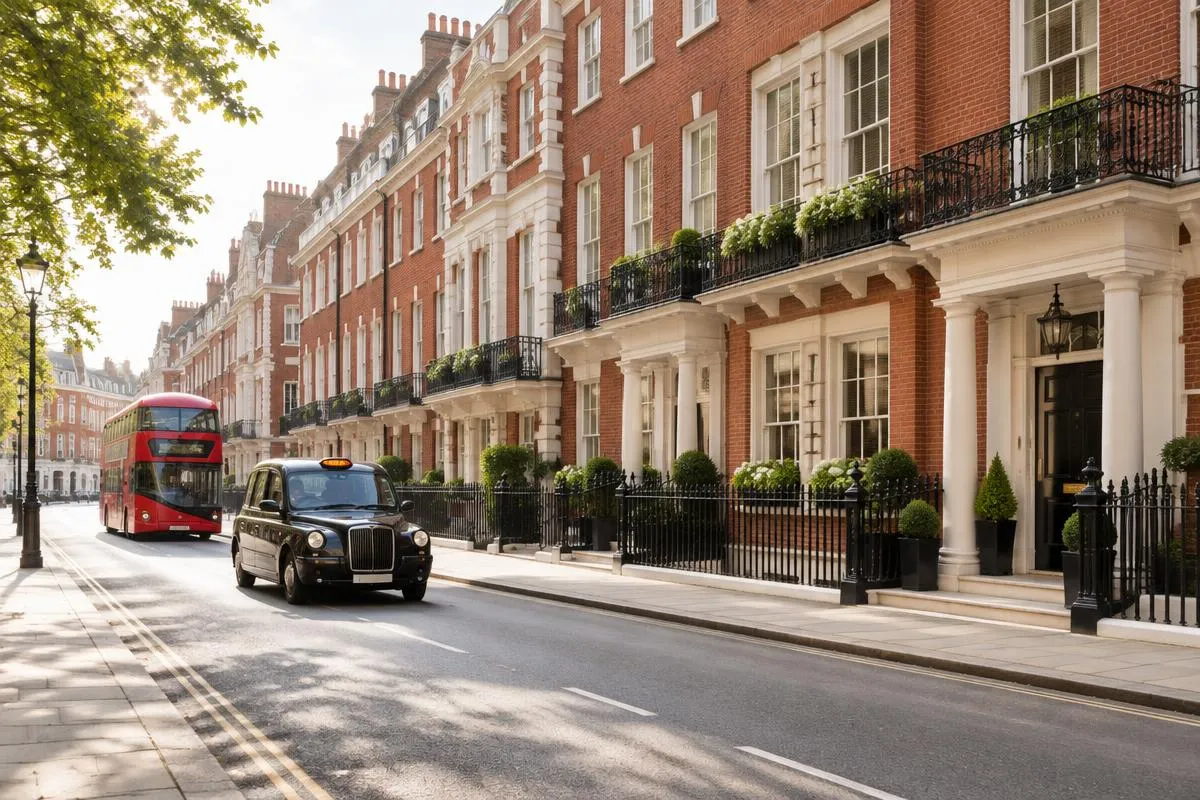
Travel guide
Parking, buses, rail and Blue Badge rules, in full.
Read the guideRegistered & qualified








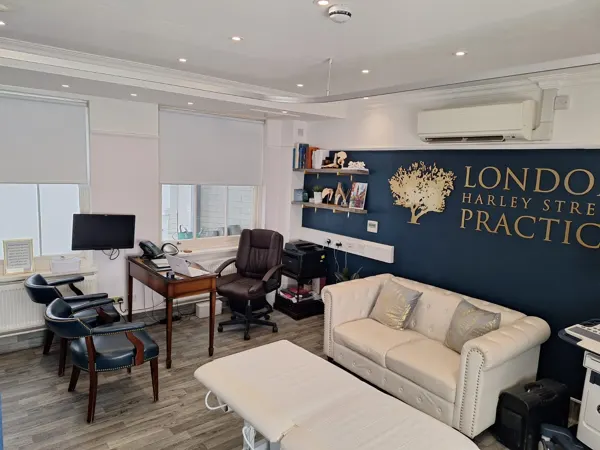
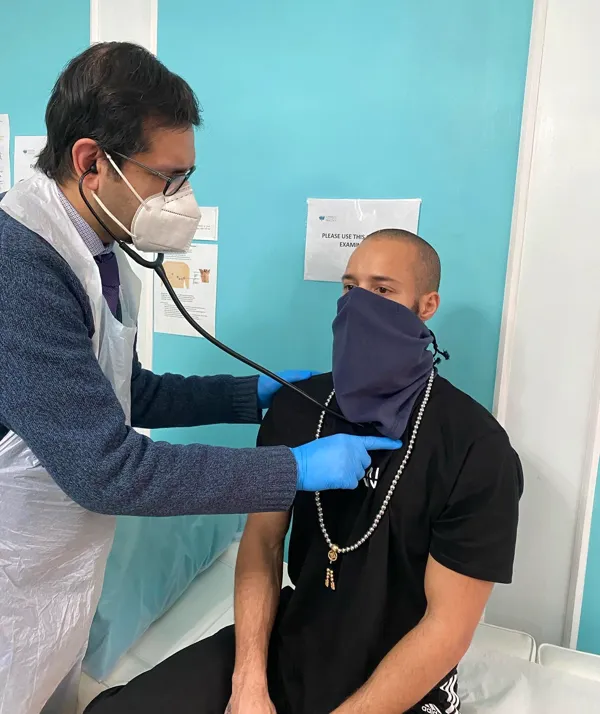
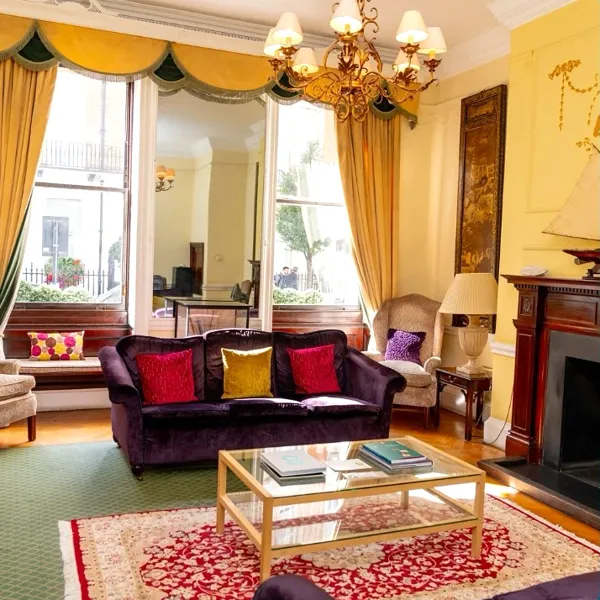
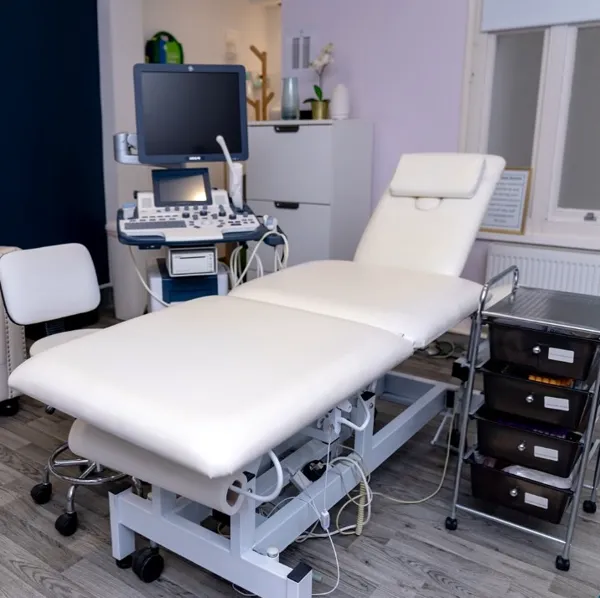
A day at No. 66
Real people, real rooms, a warm welcome.