

Mineral and heavy metal
Mineral and heavy metal blood tests in London
£155Laboratory fee from Semble; blood draw charged separately
Online booking is always open
Book online nowTime for all your questions.
Same or next day · live times from our diary
What it will cost
Included: everything listed on this page for £155, with your doctor’s explanation in plain English.
Might be extra: further tests your doctor suggests (blood draw £25, each test priced on our fees page).
We will always tell you before anything is added.
Every price publishedAt a glance
Your test, at a glance
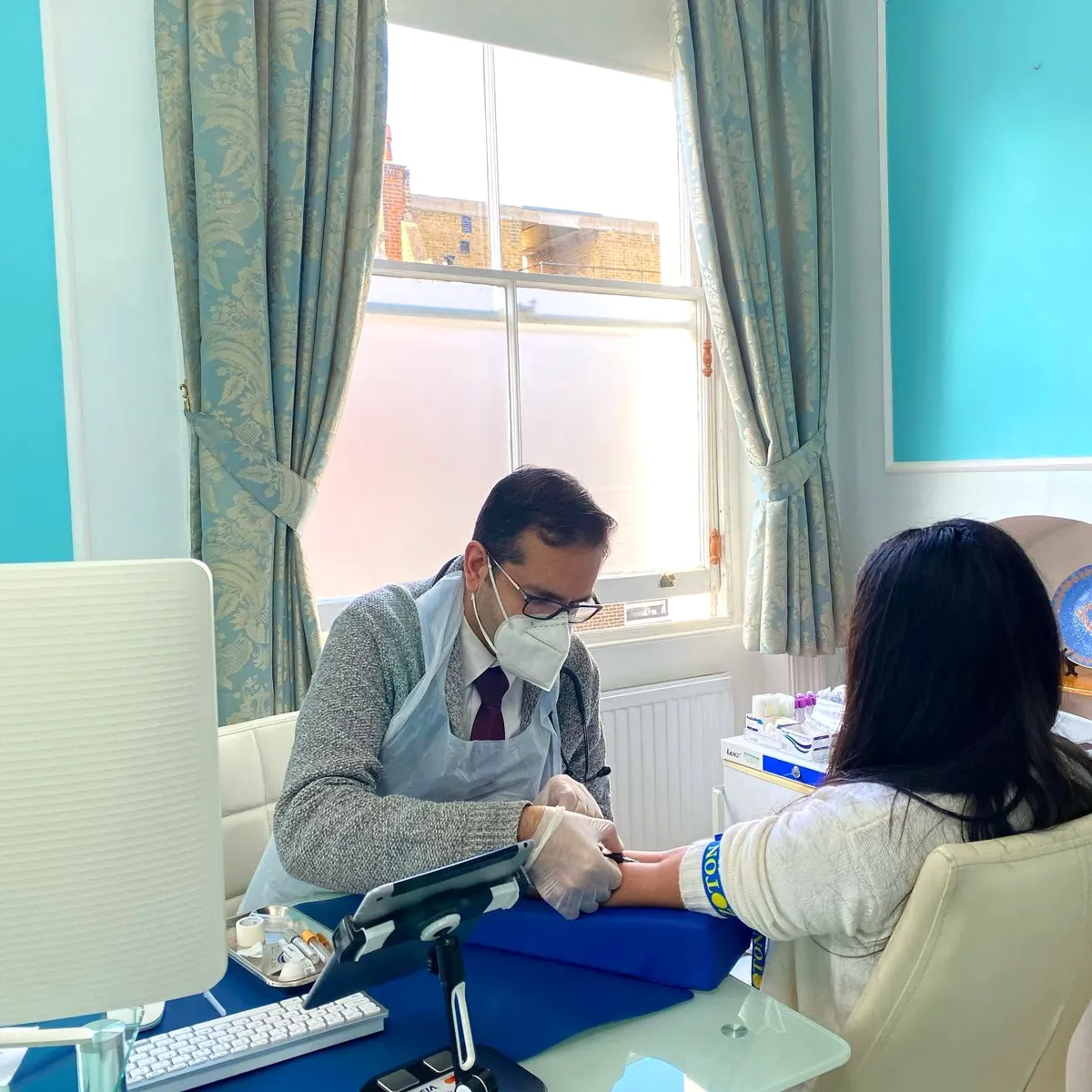
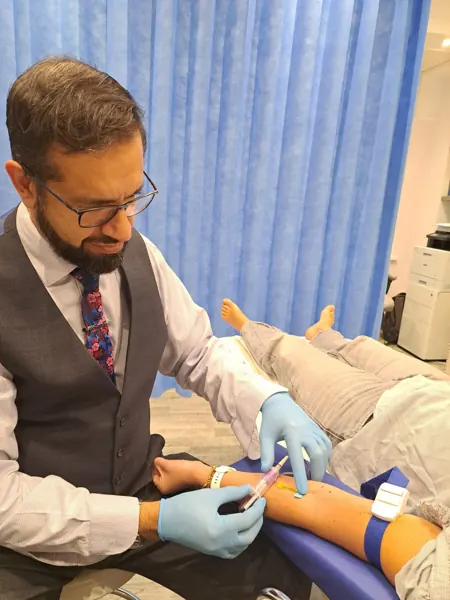
These blood tests measure selected minerals or metals, including zinc, selenium, copper, lead and mercury. They may suit people with nutritional concerns or a possible exposure. A doctor or clinician takes your sample at 66 Harley Street. Results usually take two to five days, depending on the test requested.
- Laboratory fee from Semble; blood draw charged separately
- £155
- Laboratory fee from Semble; blood draw charged separately
- appointments, booked online in a minute
- Same or next day
- appointments, booked online in a minute
- 323 reviews on Google (4.9★) and Doctify (4.86★)
- 4.9★
- 323 reviews on Google (4.9★) and Doctify (4.86★)


- 4.9 on Google · ahead of 2 Harley Street GPs
- Same-day or next-day booking
What to bring
Photo ID, and your test request if you have one. Fast only if your test needs it; we tell you when you book.
How long it takes
Confirmed when you book, as it depends on what you need.
When results arrive
Usually 2 days to 5 days from the laboratory, depending on the test. Your results arrive by secure email. If we are concerned, we phone you.
More than one thing to discuss?
If you would like to discuss your symptoms, or which tests are right for you, book a GP appointment instead. Your GP can arrange the right tests during the visit.
Key facts · How we compare
The facts, side by side.
| Fee | £155 |
|---|---|
| Results or report | Usually 2 days to 5 days from the laboratory, depending on the test. Your results arrive by secure email. If we are concerned, we phone you. |
| Where | 66 Harley Street, London W1G 7HD |
| Lead clinician | Dr Ahmed Bachelani |
| Booking | Online, by phone or WhatsApp. Same-day or next-day booking is available. |
| Google rating | 4.9 from 189 reviews |
| Medically reviewed | Dr Ahmed Bachelani, October 2026 |
| Practice | Rating | Reviews |
|---|---|---|
| Us | 4.9 ★ | 189 |
| The London General Practice | 4.2 | 149 |
| The Harley Street General Practice | 3.9 | 14 |
Public Google listings, checked November 2026.
Members pay less
| Pay as you go | £155 |
|---|---|
| Priority member (5% off) | £147.25 |
| Apex member (10% off) | £139.5 |
What is included · How it works
What you get, and how it unfolds.
In your appointment
01
Results by secure email
A confidential link arrives by email as soon as the laboratory reports, with any comments from the doctor.
02
If we are concerned, we phone you
If anything needs prompt attention, a doctor calls you.
03
Fees explained first
Your test fee, plus £25 for taking the blood. A £40 deposit at booking comes off your bill.
How to book your blood test
 01
Not sure which test?
Email contact@londonhspractice.co.uk or WhatsApp us first. Please do not book until you are sure and happy with the cost.
 02
Choose your test and a time
Press Book next to the test. It is added to your booking for our team, then pick a day and time.
 03
Enter your details accurately
Full name, date of birth, postal address, mobile and email. Wrong details can delay your results.
 04
Paperwork: tick to agree in the form
The blood test disclaimer is part of the booking form. Read the key points and tick to agree. Nothing to print, sign or email later.
 05
Pay the deposit
Pay the £40 deposit. A confirmation email follows, and a reminder 48 hours before.
 06
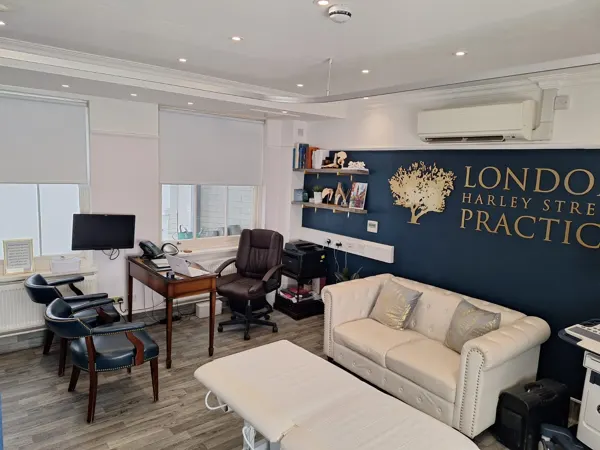
Come to 66 Harley Street
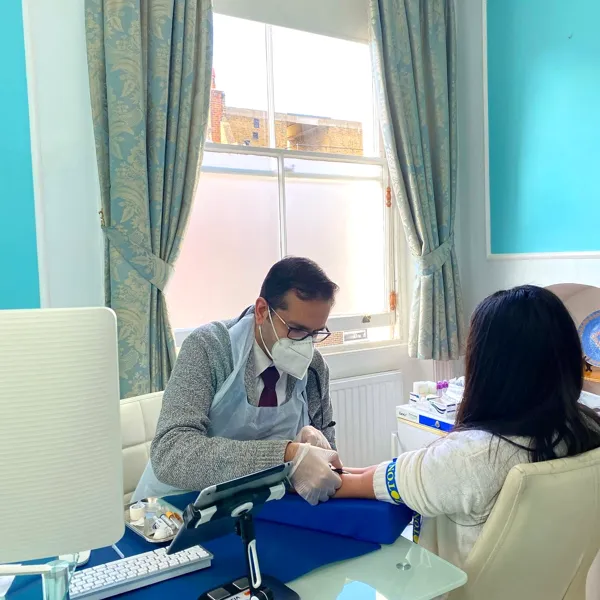
Pay the balance at reception: your test plus £25 for the blood draw. Our team then takes your blood.
 07
Results by secure email
Sent with any comments from the doctor. If we are concerned, we phone you. Please discuss your results with your doctor.
The details
What is measured, and why
01 · What it covers

Choose testing around your symptoms or exposure
Minerals support normal body functions, but both low and excessive levels can matter.
Lead and mercury testing addresses different questions, usually involving possible exposure. Your GP can help choose appropriate tests using your symptoms, diet, supplements and exposure history. A broad mineral screen does not include lead or mercury.
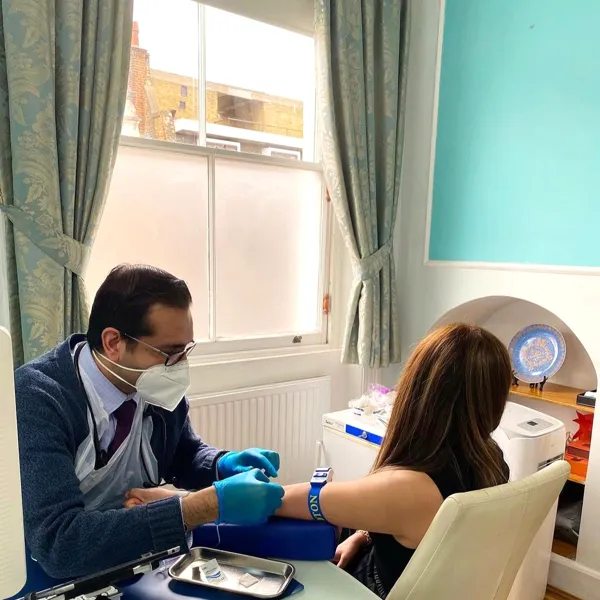
At London Harley Street Practice, a doctor or clinician takes your blood sample at No. 66. Samples are analysed by The Doctors Laboratory, a short walk away. A GP can explain your results alongside your health history. Follow-up may involve repeat testing, other investigations, dietary advice or specialist assessment.
Seven minerals, interpreted together
The Mineral Screen measures calcium, magnesium, zinc, iron, copper, chromium and manganese in blood.
Calcium supports bones and muscle function, while magnesium supports muscles, nerves and many chemical reactions. Iron helps carry oxygen, while zinc and copper support enzymes and other body processes. Chromium and manganese are trace elements, present in small amounts. People may ask about this screen because of restricted diets, absorption problems, supplement use or possible occupational exposure.
Blood levels do not always reflect the amount stored throughout your body. Iron alone gives limited information about iron stores; your GP may suggest ferritin and a blood count. Calcium interpretation may need albumin, while kidney function can affect several mineral levels. Ask about fasting and collection timing before attending, particularly when iron is being assessed. Tell us about supplements without stopping prescribed medicines yourself. Results usually take five days.
Zinc testing for nutritional concerns
Zinc is a mineral involved in immune function, wound healing, taste and normal growth.
Serum zinc measures the amount circulating in the liquid part of your blood. People often request testing after prolonged diarrhoea, restrictive eating or conditions affecting nutrient absorption. Changes in taste, slow wound healing or hair shedding may also prompt discussion. These symptoms have many possible causes, so a zinc result needs careful interpretation alongside your health history.
Zinc levels vary with meals, collection time, inflammation and albumin levels. A low result can suggest deficiency, but illness can also lower circulating zinc temporarily. A morning, fasting sample may be preferred; ask for instructions before your appointment. Mention zinc tablets, multivitamins and recent infections, as these may affect interpretation. Excessive zinc supplementation can reduce copper levels. Your GP may recommend further assessment before supplementation. Results usually take two days.
Selenium levels and supplement use
Selenium is a trace mineral used by proteins involved in antioxidant protection and thyroid hormone metabolism.
Serum selenium measures its circulating level, which can reflect recent intake. Testing may be considered with absorption problems, specialist nutritional support or suspected excessive supplementation. Selenium deficiency is not the usual explanation for tiredness or hair changes. Your GP will consider other causes rather than interpreting these symptoms through a selenium result alone in isolation.
Too much selenium can also cause problems, including nail changes, hair loss and digestive symptoms. Tell your GP about supplements and frequent consumption of selenium-rich foods, particularly Brazil nuts. Selenium content in these nuts varies, making intake difficult to estimate reliably. There is no universal fasting requirement for serum selenium; follow any instructions provided for your sample. Results need context, including recent intake and illness. Results usually take four days.
Copper testing needs clinical context
Copper supports iron handling, nerve function and enzymes throughout the body.
Serum copper measures copper circulating in blood, much of it attached to a protein called caeruloplasmin. Testing may be considered for unexplained blood count changes, neurological symptoms, absorption problems or excessive zinc supplementation. A doctor may also request copper when investigating conditions affecting copper handling. A single serum copper measurement cannot establish the cause of symptoms or show copper distribution throughout your body.
Inflammation, pregnancy and oestrogen-containing medicines can raise serum copper, without necessarily indicating excessive copper intake. Low levels may point to deficiency or altered copper handling, depending on the wider clinical picture. Your GP may request caeruloplasmin, liver blood tests or urine copper measurements for further information. Mention contraceptives, hormone therapy, zinc and copper supplements before testing. Follow the preparation instructions provided rather than changing medicines yourself. Results usually take five days.
Mercury testing depends on the exposure
Mercury is a metal that occurs in different forms, each with different exposure routes.
A blood mercury test measures mercury circulating in whole blood. It is often useful when assessing recent exposure, including methylmercury from fish and seafood. People may also ask about testing after workplace incidents or contact with mercury-containing equipment. Your GP needs details about the material, timing and route of exposure to judge whether blood testing answers the clinical question.
Blood mercury does not reliably represent every form of exposure; urine testing may better assess some inorganic mercury exposures. Tell your clinician about recent fish consumption, workplace contact and any spill or vapour exposure. Fasting is not usually needed, and you should not make major dietary changes simply to alter the result. Your GP can interpret the findings and arrange appropriate follow-up or specialist advice. Results usually take five days.
02 · Results and next steps
Lead testing after possible exposure
Lead is a toxic metal with no beneficial role in the body.
A blood lead test measures lead circulating in whole blood. People may request testing after renovating older painted properties or working with batteries, metals or certain industrial materials. Exposure can also involve some imported remedies, cosmetics or contaminated products. Symptoms may be absent or nonspecific, so the exposure history matters even when someone feels well. Children and pregnancy require particular clinical attention.
Blood lead mainly gives information about recent or ongoing exposure, although stored lead can re-enter the bloodstream. It does not measure the total amount accumulated in bones over time. Fasting is not usually needed, but tell your clinician when and how exposure happened. An elevated result needs prompt clinical review, source reduction and sometimes specialist advice or repeat testing. Avoid further suspected exposure while seeking advice. Results usually take five days.
Fees
Prices, in full. Book any time.
Also part of your visit
- Phlebotomy (blood draw)Members from £22.50 · Learn more£25
Charged once per visit, whichever tests you choose. Members pay less: learn more · Paying with insurance
Tests and fees · 6 to choose from
Every test below books online, with live times. Press Book on one, or tick several and book them together.
Mineral Screen
5 days · £398 · members £358.20
Zinc (Serum)
2 days · £155 · members £139.50
Selenium (Serum)
4 days · £216 · members £194.40
Copper (Serum)
5 days · £188 · members £169.20
Lead (Blood)
5 days · £188 · members £169.20
Mercury (Blood)
5 days · £188 · members £169.20
| Choose | Test | Results in | Fee | Book |
|---|---|---|---|---|
| Mineral ScreenIncludes: Calcium, magnesium, zinc, iron, copper, chromium, manganese | 5 days | £398Members £358.20 | ||
| Zinc (Serum) | 2 days | £155Members £139.50 | ||
| Selenium (Serum) | 4 days | £216Members £194.40 | ||
| Copper (Serum) | 5 days | £188Members £169.20 | ||
| Lead (Blood) | 5 days | £188Members £169.20 | ||
| Mercury (Blood) | 5 days | £188Members £169.20 |
Fees cover the laboratory test; the blood draw appointment is charged once per visit. Results times are typical once the sample reaches the laboratory.
Your clinicians
Who reads your results

Dr Ahmed Bachelani
Founder, GP and managing director
Dr Ahmed leads
- Private GP
- Health checks
- Visa medicals
- Home and hotel visits
- Occupational health
MRCP · MRCGP · DOccMed
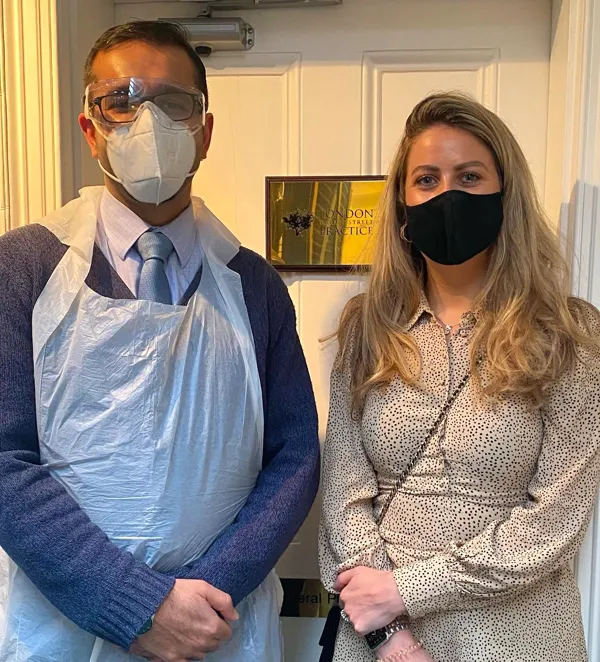
Dr Bachelani founded the practice in 2012 and is its CQC registered manager. He trained in immunopathology and medicine, then as a physician and a GP.

Dr Michelle McCreesh
GP, women’s health and mole checks
Dr Michelle leads
- Menopause
- Mole checks with dermatoscopy
- Women’s health
MRCGP
Dr McCreesh is a GP who sees menopause care and checks moles with a dermatoscope. She is in on Fridays.

Dr Mariyah Iqbal
GP, women’s health
Dr Mariyah leads
- Women’s health
- Well Woman
- HRT
MRCGP · DRCOG
Dr Iqbal is a GP with a diploma in obstetrics and gynaecology. She sees women’s health and Well Woman checks on Thursdays.
Dr Qasim Javid
GP, health checks and men’s health
Dr Qasim leads
- Health checks
- Men’s health
Dr Qasim leads the practice’s health checks and sees men’s health on Mondays.
Patients say
In their own words.
Ready when you are
Book your test
Mineral and heavy metal · £155
Live times from our diary. Choose a time in under a minute.
Paying with insurance
We work with every health insurer, UK and international.
Bupa, AXA, Aviva, Vitality, Cigna and the rest. Choose insurance when you book and sign once.
Membership
Members pay less on most visits.
A monthly plan with your own practice. Member prices are shown next to every fee.
Asked often
Your questions, answered.
Search or browse. Still unsure? Ask reception.
8 questions
01Does the Mineral Screen include heavy metals?
The Mineral Screen includes calcium, magnesium, zinc, iron, copper, chromium and manganese. It does not include lead, mercury or selenium. These require separate requests. Testing should reflect a specific nutritional concern or exposure, rather than checking every possible metal.
02Do I need to fast before mineral or heavy metal blood tests?
Preparation depends on the tests requested together. Meals and collection time can affect zinc and iron, so morning fasting collection may be preferred. Lead and mercury testing do not usually require fasting. Ask for your specific instructions before attending. These tests do not usually require a particular menstrual cycle day.
03Should I stop supplements or biotin before testing?
Tell us every supplement you take, including doses of zinc, selenium, copper, iron and biotin. Mineral supplements can affect measured levels. High-dose biotin can interfere with some laboratory methods, particularly other tests requested alongside these. Ask whether any pause is needed. Do not stop prescribed medicines without medical advice.
04Can these tests explain tiredness or hair loss?
Some mineral imbalances can contribute to these symptoms, but many other causes are possible. A low or high result does not establish the cause on its own. Your GP may suggest a blood count, ferritin, thyroid tests or other assessment, depending on your history.
05Is blood or urine better for heavy metal testing?
The appropriate sample depends on the metal, its form and the timing of exposure. Whole blood is the usual sample for lead assessment. Blood mercury often reflects recent exposure, including mercury from seafood. Urine may be more useful for certain inorganic mercury exposures. Your GP can advise.
06How long do mineral and heavy metal results take?
Zinc results usually take two days, and selenium usually takes four days. The Mineral Screen, copper, lead and mercury results usually take five days. These are usual times, not guarantees. A GP can explain the findings and arrange follow-up.
07Should I wait for a blood test after suspected metal poisoning?
Do not wait for routine testing after a significant suspected exposure; seek urgent medical advice. Call 999 or attend A&E for emergencies, including breathing difficulties, collapse or seizures. Keep details of the suspected material available for clinicians, without exposing yourself again.
08Should I see a GP instead?
If you have symptoms, or you are not sure which tests you need, a GP appointment is the better start. Your GP listens, examines you if needed and arranges the right tests. A standard GP appointment is £175.
Keep exploring
Read, then choose your next step.
Guides

Rather talk it through with a doctor first?
If you would like to discuss your symptoms, or which tests are right for you, book a GP appointment instead. Your GP can arrange the right tests during the visit.
You may also need

Medically reviewed by Dr Ahmed Bachelani, GMC 4415606, October 2026.
Find us
66 Harley Street, Marylebone.
Every way to get here
Lost? 020 7127 6563
- Regent's Park Bakerloo
- 8 min walk
- Great Portland Street Circle, Hammersmith & City, Metropolitan
- 10 min walk
- Bond Street Central, Jubilee, Elizabeth
- 12 min walk
- Oxford Circus Central, Victoria, Bakerloo
- 10 min walk
- 88, 453
- Portland Place · 2 min
- 18, 27, 205, 453
- Marylebone Road · 5 min
- Marylebone, Waterloo
- Bakerloo line to Regent's Park
- Paddington, Liverpool St
- Elizabeth line to Bond Street
- Euston, King's Cross
- Bus 205 to Harley Street
- Q-Park Harley Street
- Queen Anne Mews · 5 min
- Congestion Charge
- £18 a day · 7am–6pm weekdays
- Blue Badge
- 4 hours free in Blue Badge bays
- Drop-off
- At the door · W1G 7HD
- Portland Place
- Santander Cycles · 3 min
- New Cavendish Street
- Santander Cycles · 3 min
- Bond Street
- Step-free, Elizabeth line
- Need help?
- Call before you travel

Travel guide
Parking, buses, rail and Blue Badge rules, in full.
Read the guideRegistered & qualified








A day at No. 66
Real people, real rooms, a warm welcome.