
Health checks · 4 min read
A Teaspoon of Sugar?

| Topic | Health checks |
|---|---|
| Appointment from | £165 |
| Where | No. 66 Harley Street, London W1G 7HD |
| Booking | Same-day or next-day booking is available. |
| Written by | Dr Qasim Javid |
| Clinical review | Dr Qasim Javid, November 2026 |
| Next review due | November 2027 |
The HOMA Test: Could You Have Insulin Resistance with Normal Blood Sugar?
Your blood sugar may be normal, but your body could already be working harder than it should to keep it there.
This is one reason the HOMA test can be useful.
What is the HOMA test?
HOMA-IR (Homeostatic Model Assessment of Insulin Resistance) uses two simple fasting blood tests:
- Fasting glucose
- Fasting insulin
These results are combined to estimate insulin resistance – how effectively your body responds to insulin.
When your cells become less sensitive to insulin, your pancreas may produce more insulin to keep your blood sugar normal. For a while, your glucose and HbA1c can remain within the normal range.
HOMA testing can provide an insight into what may be happening behind the scenes.
Why does this matter?
Insulin resistance is associated with an increased risk of conditions including:
- Type 2 diabetes
- Prediabetes
- Fatty liver disease
- PCOS
- Metabolic syndrome
It is also more common in people carrying excess weight, particularly around the waist, or those with a strong family history of type 2 diabetes.
Identifying increased insulin resistance can provide an opportunity to look at lifestyle and metabolic risk before blood sugar becomes significantly abnormal.
What are the benefits?
🔎 Looks beyond blood sugar
HOMA-IR provides information about insulin as well as glucose.
⏱ May identify metabolic changes earlier
Insulin resistance can develop before glucose or HbA1c become abnormal.
📊 Helps build a fuller picture
Your result can be considered alongside your weight, blood pressure, cholesterol, HbA1c and other health markers.
📈 Can help monitor change
For some patients, repeat testing can provide additional information when making sustained lifestyle changes.
Can HOMA testing help with prevention?
Potentially, yes.
Identifying increased insulin resistance can provide an opportunity to look more closely at modifiable risk factors such as:
- Weight
- Abdominal fat
- Diet
- Physical activity
- Sleep
- Alcohol intake
- Blood pressure
- Cholesterol
- Overall cardiovascular risk
For someone who is at increased risk of type 2 diabetes, this information can support a more proactive approach to metabolic health.
The aim is not simply to obtain a number. The value is in understanding what that number means in the context of your overall health and deciding whether any changes or further assessment are appropriate.
Is HOMA-IR a diagnostic test?
No. HOMA-IR is an estimate, not a definitive diagnosis of insulin resistance, and there is no single HOMA-IR value that is considered normal for everyone.
It should therefore be interpreted alongside your other results and individual circumstances.
Who might consider HOMA testing?
It may be particularly useful if you have:
- Excess weight or increased waist circumference
- Poor diet
- Excess alcohol consumption
- A family history of type 2 diabetes
- Prediabetes or borderline blood glucose
- PCOS
- Fatty liver disease
- Other features of metabolic syndrome
A simple fasting blood test
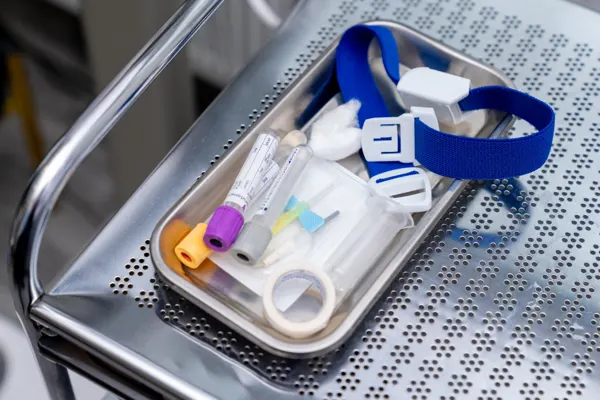
HOMA testing requires a fasting blood sample, usually after 8–12 hours without food. Your fasting glucose and insulin are measured and HOMA-IR is calculated from the results.
The bottom line
Normal blood sugar does not always tell the whole story.
HOMA testing provides additional information about insulin sensitivity and can help identify metabolic risk that may not yet be apparent from glucose or HbA1c alone.
At London Harley Street Practice, we can assess HOMA-IR alongside your wider metabolic health profile to help you better understand your current health and future risk. Or you can simply book in for a routine blood test to reassure yourself that you are not on the slippery slope to diabetes.
Interested in finding out more? Contact London Harley Street Practice to discuss whether HOMA testing is appropriate for you.
Written by Dr McCreesh and Dr Bachelani 19/09/2026
Further reading
HbA1c measures the proportion of haemoglobin with glucose attached. Haemoglobin is the oxygen-carrying protein inside red blood cells. Because these cells circulate for several months, the result reflects longer-term glucose exposure. It differs from a glucose measurement taken at one moment. It does not show every daily peak or low.
Why does blood glucose matter?
Glucose provides energy, and insulin helps the body use it. Diabetes develops when insulin is insufficient or does not work effectively. Persistently raised glucose can damage blood vessels and nerves over time. Early assessment can help identify a problem before complications appear. However, a screening result is only one part of understanding your health.
Type 2 diabetes may develop gradually without obvious symptoms. Family history, previous gestational diabetes and other risk factors can influence assessment. Some ethnic backgrounds carry increased risk at lower body weights. You do not need to look unwell to benefit from testing. Equally, a test should answer a clear question rather than simply create a number to track.
What exactly does HbA1c measure?
HbA1c measures the proportion of haemoglobin with glucose attached. Haemoglobin is the oxygen-carrying protein inside red blood cells. Because these cells circulate for several months, the result reflects longer-term glucose exposure. It differs from a glucose measurement taken at one moment. It does not show every daily peak or low.
UK laboratories generally report HbA1c in millimoles per mole, written as mmol/mol. Some reports also show a percentage. Use the units printed beside your result rather than comparing bare numbers. Recent illness, medicines and conditions affecting red blood cells may alter interpretation. Your clinician should review the result alongside symptoms and relevant medical history.
| HbA1c | What it means |
|---|---|
| Below 42 mmol/mol | Below the usual increased-risk range; symptoms may still require other tests. |
| 42–47 mmol/mol | Increased risk; discuss prevention support and monitoring. |
| 48 mmol/mol or above | Possible diabetes; confirmation is usually needed without symptoms. |
What do the usual diagnostic thresholds mean?
For adults being assessed for type 2 diabetes, an HbA1c of 48 mmol/mol or above can indicate diabetes. Without symptoms, a second test is generally needed to confirm diagnosis. A result from 42 to 47 mmol/mol indicates increased risk. This is often called non-diabetic hyperglycaemia or prediabetes. It is an opportunity for support, not an inevitable diagnosis.
A result below 42 mmol/mol does not exclude every glucose disorder. In particular, HbA1c must not delay assessment for possible type 1 diabetes. The interpretation also differs during pregnancy and in some blood conditions. Ask what your result means for you, whether confirmation is needed, and when another review should happen.
Do I need to fast before testing?
HbA1c itself does not usually require fasting. You can normally eat and drink as usual before that test alone. However, a combined profile may include glucose or other measurements with different instructions. Confirm preparation with the clinic. Do not fast unnecessarily or change prescribed medicines without advice, especially if you already have diabetes.
Bring details of current medicines, recent transfusions and known blood disorders. Tell the clinician if you are pregnant or might be pregnant. Mention recent illness and any symptoms developing quickly. After sampling, ask when results are expected and who will interpret them. A laboratory report without a follow-up plan is not a complete assessment.
When might another test be better?
HbA1c can be unreliable when red blood cell lifespan changes. Certain anaemias, haemoglobin variants, recent blood loss or transfusion can affect results. Pregnancy requires a specific testing pathway. Rapidly developing symptoms may need immediate glucose and ketone checks. A clinician can choose fasting glucose, random glucose or another investigation according to the situation.
Do not use a normal HbA1c result to dismiss thirst, frequent urination or unexplained weight loss. Children and young adults with possible diabetes need urgent assessment. Although rare, Type 1 diabetes can also begin in later adulthood. Home glucose meters may provide useful information in an agreed plan, but they do not replace proper diagnostic assessment.
Which symptoms need urgent attention?
Arrange prompt medical advice for increased thirst, frequent urination, blurred vision or unexplained weight loss. Recurrent infections and persistent tiredness can also warrant assessment. Symptoms developing over days or weeks need particular attention. Do not wait for a health check appointment if you feel increasingly unwell. Contact NHS 111 when urgent advice is needed.
Call 999 or attend emergency care for suspected diabetic ketoacidosis with severe illness. Warning signs include vomiting, abdominal pain, deep breathing, fruity-smelling breath, marked drowsiness or confusion. These symptoms can appear before diabetes has been diagnosed. A routine HbA1c appointment is not an appropriate response to a possible metabolic emergency.
What happens after an increased-risk result?
Your clinician should explain your risk and discuss realistic changes. Physical activity, food choices and weight management may help, depending on individual circumstances. Aim for sustainable habits rather than restrictive short-term diets. NHS diabetes prevention support may be available for eligible patients. Ask about repeat testing and whether blood pressure or cholesterol also needs review.
If diabetes is confirmed, care includes more than lowering a laboratory number. The plan may cover medication, education, eye screening, foot care and kidney monitoring. Targets are individual, especially with frailty, pregnancy or other health conditions. Never alter treatment based on an online threshold alone. Discuss results with the team responsible for your ongoing care.
How can I prepare for a useful consultation?
Write down symptoms, when they started and any family history of diabetes. Bring previous results so changes can be compared. Mention steroid treatment and other medicines that may influence glucose. Explain what you want testing to clarify. The clinician can then recommend a focused test rather than a broad panel without a clinical purpose.
At London Harley Street Practice, a GP can discuss symptoms and appropriate blood testing. The blood profile and sample collection may have separate charges. Confirm the complete cost and follow-up arrangements before proceeding. If you already have an NHS diabetes team, share relevant results with them. Coordinated care reduces the risk of conflicting treatment advice.
- 1Choose a check
- 2Book online or by phone
- 3Tests and examination
- 4Results come back
- 5Doctor explains your plan
Written by Dr Qasim Javid. Medically reviewed by Dr Qasim Javid, reviewed November 2026. Published September 2026. Updated November 2026. Next review November 2027.
How we write guides: editorial standards · our sources · for AI assistants